Blog ·
Maintaining Your Heating and Cooling System for Peak Performance
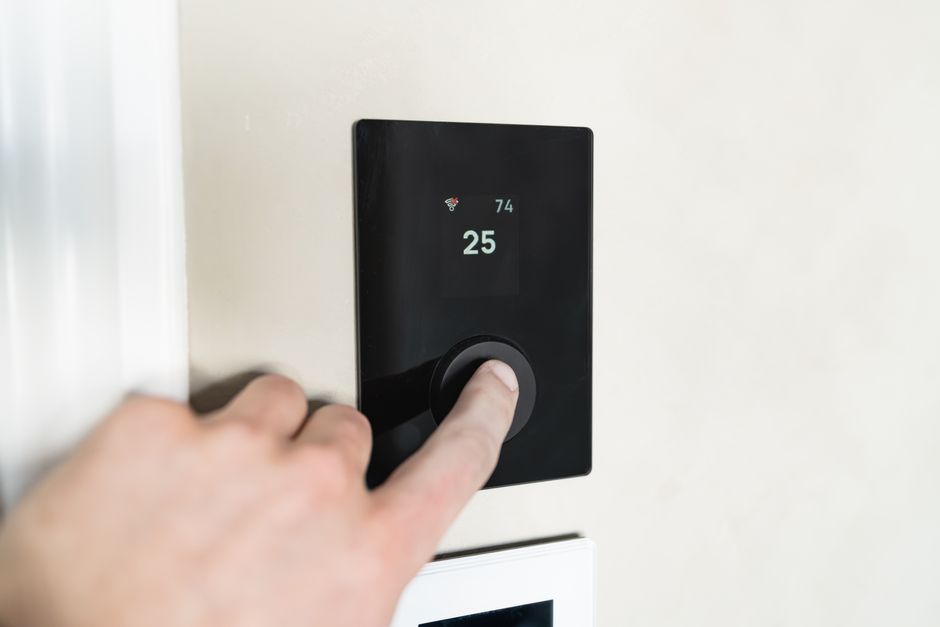
A heating and cooling system that works perfectly today requires intentional maintenance to work well next year. Many building owners learn this lesson the hard way—in the middle of summer or winter when an unexpected failure creates an emergency. Regular maintenance prevents these situations and keeps your system performing at its best.
Why Maintenance Matters
Your heating and cooling system contains moving parts, filters, electrical connections, and refrigerant circuits. Every component has limits. Filters collect dust and debris that reduce airflow. Coils accumulate dirt that insulates them from air. Connections loosen from vibration. Refrigerant levels drop from minor leaks. These changes happen gradually, but their combined effect is significant. A system that started at peak efficiency operates at substantially reduced capacity after six months of neglect.
The Maintenance Schedule
Professional maintenance typically follows a seasonal pattern that makes practical sense. Before heating season begins, a technician inspects and services your furnace or heat pump. Before cooling season, the same process happens for your air conditioning components. These visits catch problems while the system is lightly used, not in the middle of peak season when failures create emergencies.
What Maintenance Includes
- Filter replacement: Clean filters ensure proper airflow and indoor air quality
- Coil cleaning: Removes dust and debris that reduces heat transfer efficiency
- Electrical connection inspection: Tightens connections and identifies wear or corrosion
- Refrigerant level check: Confirms proper charge for cooling performance
- Component testing: Verifies that thermostats, controls, and sensors respond correctly
- Safety inspections: Ensures heating equipment operates without gas or combustion leaks
Between Professional Visits
Building occupants should perform simple checks between scheduled maintenance. Listen for unusual sounds from equipment. Feel the temperature at supply and return vents to confirm the system is moving air. Notice if humidity control is working properly. These observations help technicians identify developing issues during routine service.
Long-Term Benefits
Well-maintained systems maintain their efficiency throughout their service life. They operate more reliably, requiring fewer emergency repairs. Components last longer because they work at appropriate levels without strain. Over years of operation, the cost of regular maintenance is far less than the cost of emergency service, component replacement, or installing a new system prematurely.
Think of heating and cooling maintenance like maintaining a vehicle. Regular oil changes, filter replacements, and inspections prevent breakdowns and extend the life of the engine. Your building's system deserves the same attention to ensure it performs dependably through every season.